
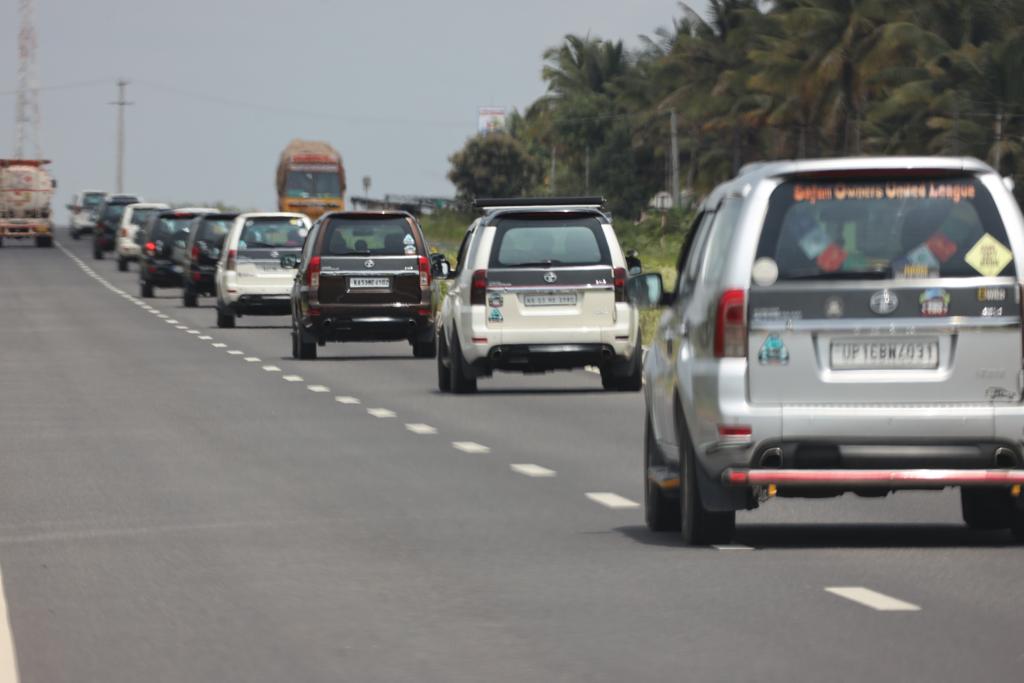
Introduction: Driving in India demands a combination of skill, adherence to traffic rules, and consideration for fellow road users. In this comprehensive guide, we will explore various aspects of responsible driving, covering the use of indicators, wipers, hazard lights, headlights, lane discipline, right of giving way, overtaking, speed limits, honking, and the importance of patience and lane merging.
- Indicators:
- When to Use: Indicate your intentions when making turns, changing lanes, or merging into traffic. Turn off indicators promptly after completing the maneuver.
- When Not to Use: Avoid unnecessary use of indicators to prevent confusion. Turn them off when not required.
- Wipers:
- When to Use: Activate windshield wipers during rain, snow, or reduced visibility due to dust or fog. Use water spray when needed to avoid scratches on the windshield.
- When Not to Use: Turn off wipers when it’s not raining to avoid unnecessary wear. Ensure wiper blades are in good condition.
- Hazard Lights:
- When to Use: Activate hazard lights only when your vehicle is stationary due to an emergency or breakdown.
- When Not to Use: Do not use hazard lights while driving, especially in dense fog or heavy rain. Rely on headlights and fog lights for visibility.
- Headlights:
- Low Beam vs. High Beam: Use low beam within city limits or in the presence of oncoming traffic. Switch to high beam on unlit roads, dipping lights when approaching other vehicles.
- When Not to Use: Avoid high beam in well-lit areas or when driving behind another vehicle or when driving into an oncoming vehicle.
- Lane Discipline:
- Stay in Your Lane: Maintain your lane and use indicators for lane changes. Avoid unnecessary lane changes.
- When Not to Change Lanes: Refrain from changing lanes in intersections, curves, or areas with solid white lines.
- Right of Giving Way:
- Basic Rules: Yield to emergency vehicles, pedestrians, and vehicles on your right. Follow rules at intersections and roundabouts.
- When Not to Block Traffic: Avoid blocking intersections and maintain a smooth traffic flow.
- Overtaking:
- When to Overtake: Overtake from the right side safely with clear visibility, using indicators and checking blind spots.
- When Not to Overtake: Avoid overtaking near intersections, curves, pedestrian crossings, or in heavy traffic. Do not overtake from the left side.
- Speed Limits:
- Adhering to Speed Limits: Follow posted speed limits, adjusting for weather conditions and traffic density.
- When Not to Speed: Do not exceed speed limits, especially in residential areas, near hospitals and school zones.
- Honking:
- When to Honk: Use the horn judiciously to alert others in necessary situations.
- When Not to Honk: Refrain from unnecessary honking, especially in residential areas, near hospitals and schools and during late hours.
- Patience and Lane Merging:
- Practice Patience: Exercise patience, especially during heavy traffic or congested conditions. Impatience can lead to aggressive driving and unsafe maneuvers.
- Lane Merging: When merging from smaller roads to bigger roads, yield to oncoming traffic, use indicators, and merge smoothly. Avoid abrupt lane changes and give way when necessary.
- Phone Usage While Driving:
- Avoid Distractions: Do not use your phone while driving. It distracts your attention from the road and increases the risk of accidents.
- Use Hands-Free Devices: If necessary, use hands-free devices for calls, ensuring your focus remains on the road.
- Pull Over When Necessary: If you must attend to a call or message, find a safe spot to pull over and address it. Safety should always be the top priority.
Conclusion: By incorporating these responsible driving practices, along with patience and mindful lane merging, into your daily commute, you contribute to a safer and more courteous driving environment on India’s diverse roadways. Remember, responsible driving is a shared responsibility that benefits everyone on the road. Drive safely!
 tatasafarigroup.com
Leave a comment